Introduction
Hi All,
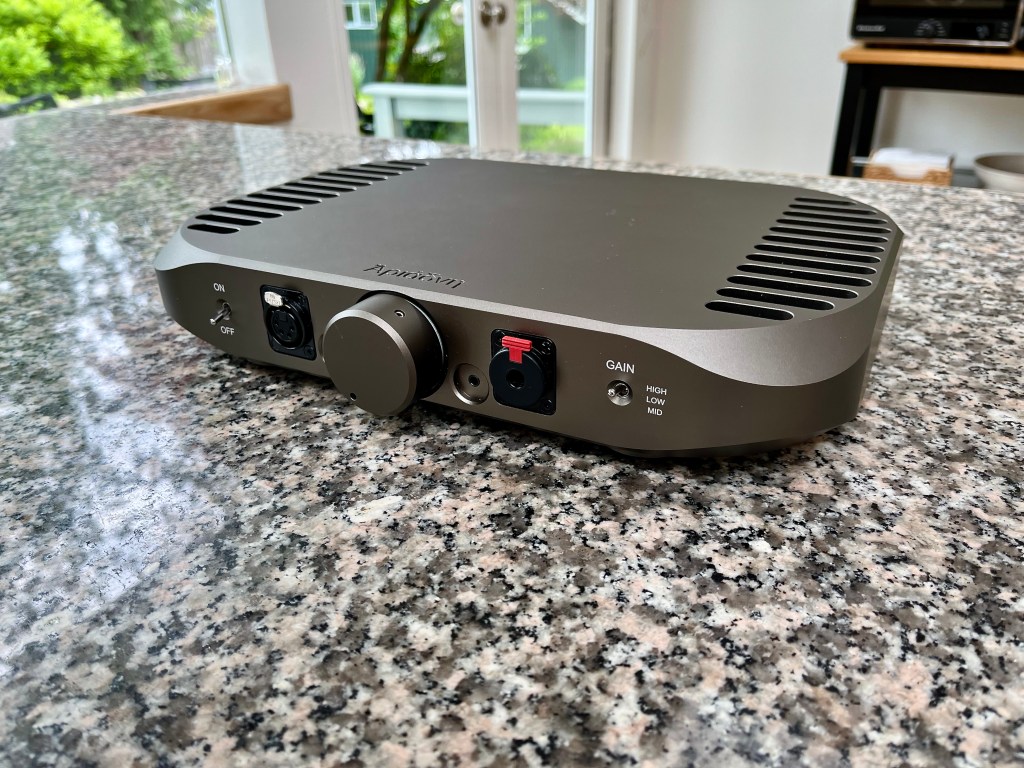
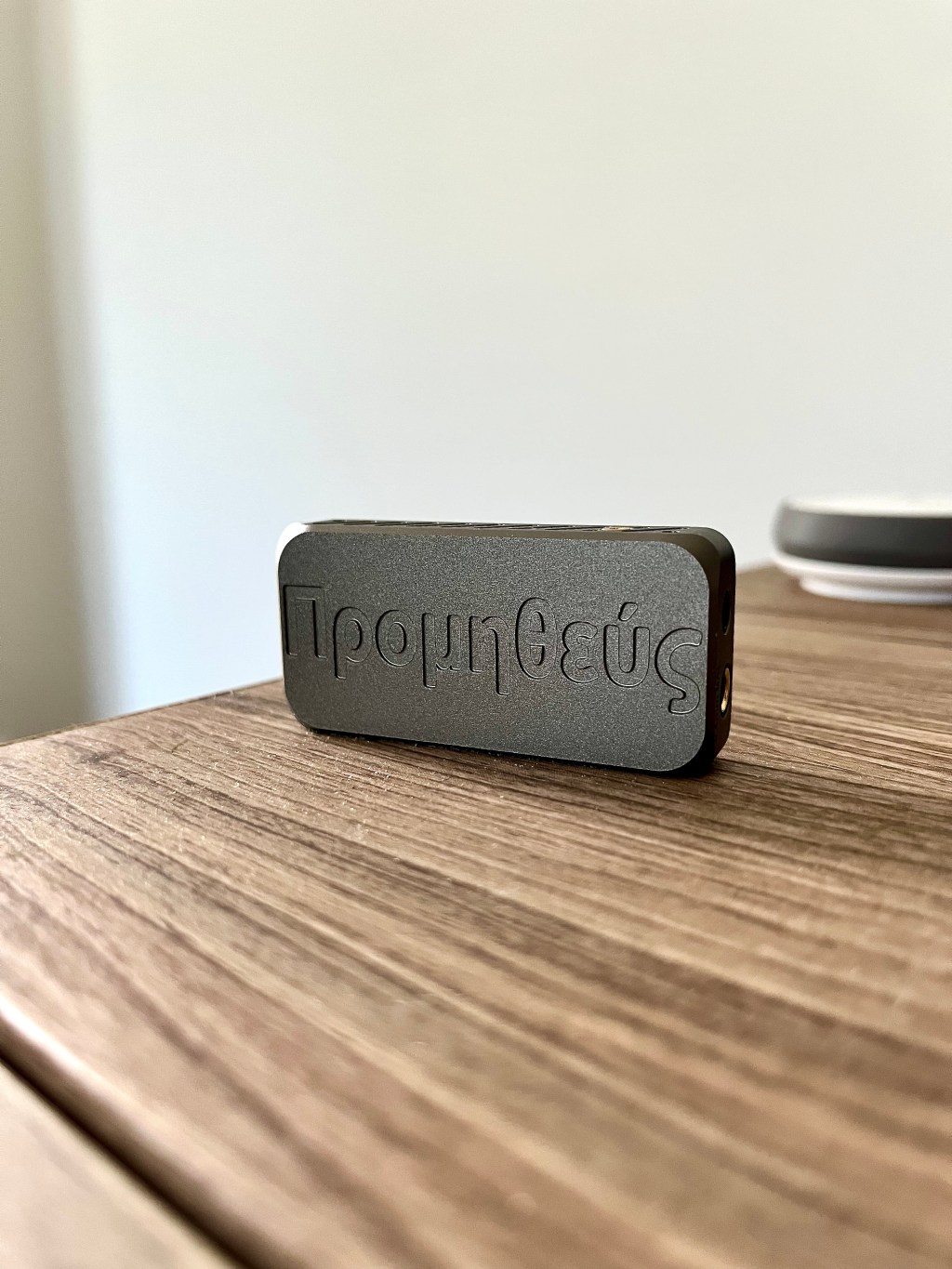
Today, we are taking a look at a fairly recent release coming out of Hong Kong, the FangSound Ariadne. FangSound as a brand is also fairly new to the scene, with a lineup of 4 separate products. The current product line-up consists of a small but powerful dongle DAC/Amp called the Prometheus, a small desktop DAC/Amp called the Silenos, the desktop class amplifier reviewed here called the Ariadne, and the current flagship amplifier, called the Dionysus.
I came across FangSound recently, through learning about the smaller Silenos DAC/Amp. It had some really interesting specs, especially in terms of power output in amp-only mode, and there was simply something “different” to the design that really piqued my curiosity. I reached out to FangSound directly, asking if they might be willing to loan me one of their products for a short period so that I could write about it. They replied promptly and asked if I would like to check out the Ariadne. I think that they chose the Ariadne as it is a good representation of their philosophy in terms of design, the brand’s sound quality and tuning choices, and whilst not the flagship from their line, it aims to offer as much of the Dionysus’s performance as possible, at a much lower price of entry. Speaking of price, the Ariadne comes in at $1850USD MSRP and is only available through Linsoul Audio, JM Audio and Elise Audio currently. Supposedly Mimic audio is also soon to be added to this list.
Being a Hong Kong-based brand, I have read a comment online mentioning that FangSound has to utilize AI translation to communicate with customers in English, and to their credit, there have been no issues in any way in my communications with them, so it seems to be working out as a solution.
Technically, FangSounds products would be classified as “Chi-fi” (Chinese Hifi), and the fact that they are sold through Linsoul Audio may perhaps cause people to lump them in with other big brands coming out of China, like Topping, SMSL, and similar. Those brands have a very particular focus on numbers and measurements, and whilst I do like some of their products, especially in terms of value at the lower end of the lineups, their sonics aren’t always to my taste. FangSound has a bit of a different approach. Yes, they use measurements in their development process, and try to achieve “good” measurements with their products, but they also have a very strong focus on sonic tuning, listening, and letting that ultimately guide their choices in terms of design. FangSound really make a point of mentioning tuning in their product information for the amplifiers, and make it clear that they listen both themselves during the design phase, but also have others in their community helping them tune the sonics of their products, in a way that makes me think of the sentiment “measurements are great, but what is the point if we don’t enjoy listening it also.”
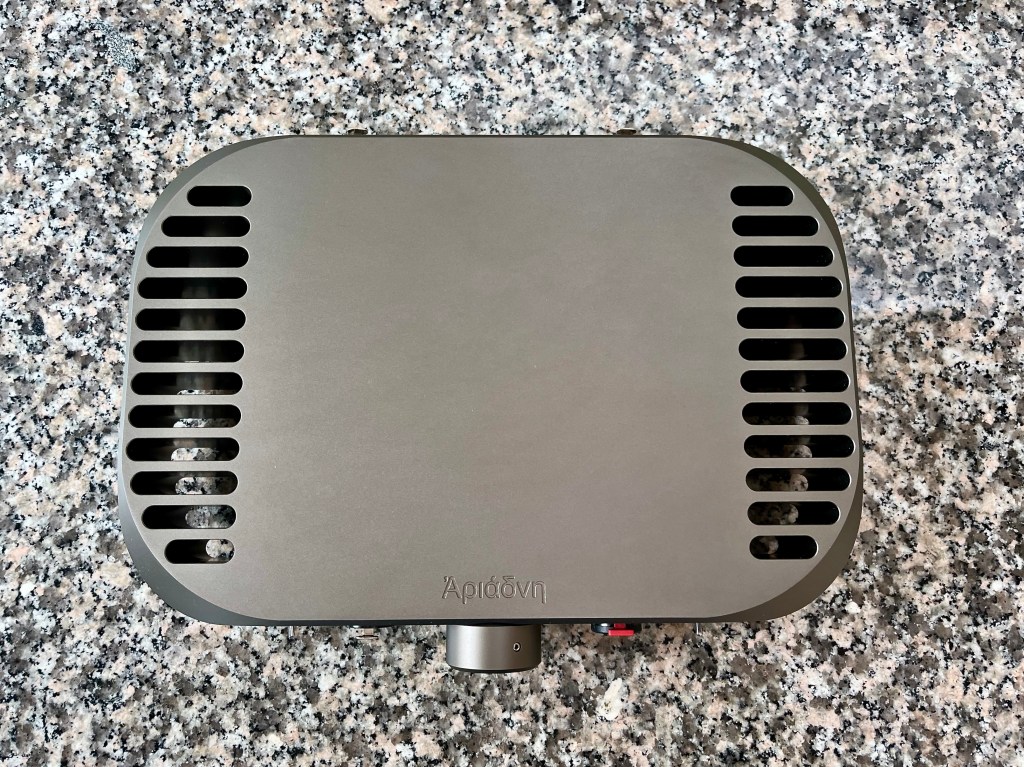
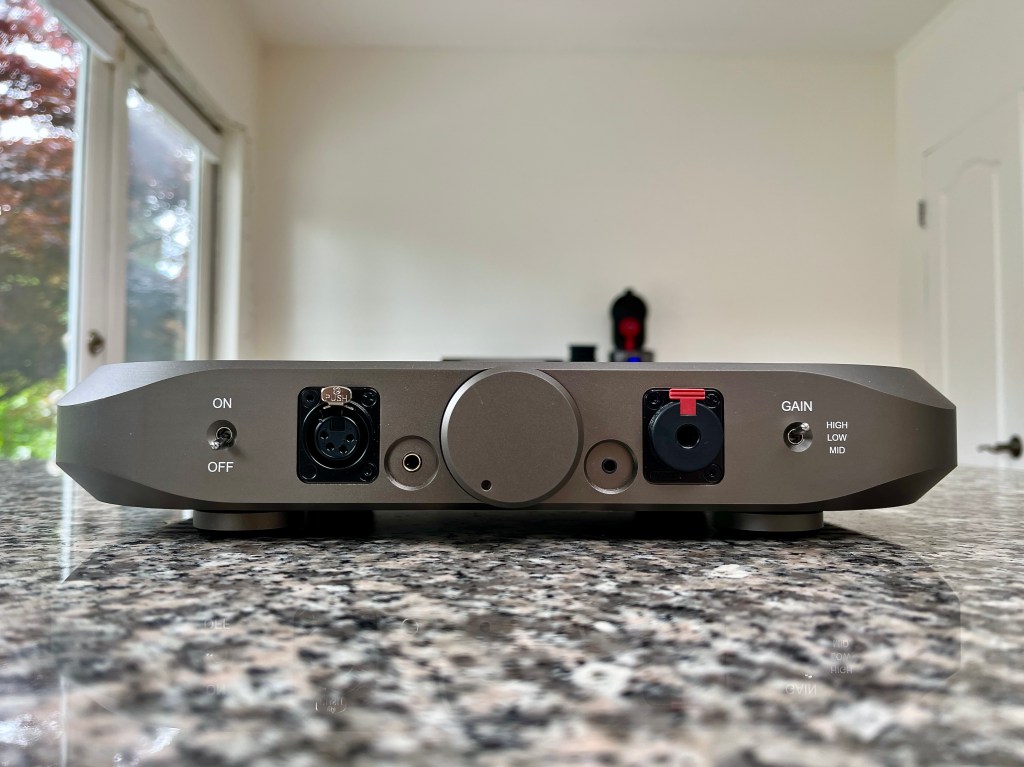
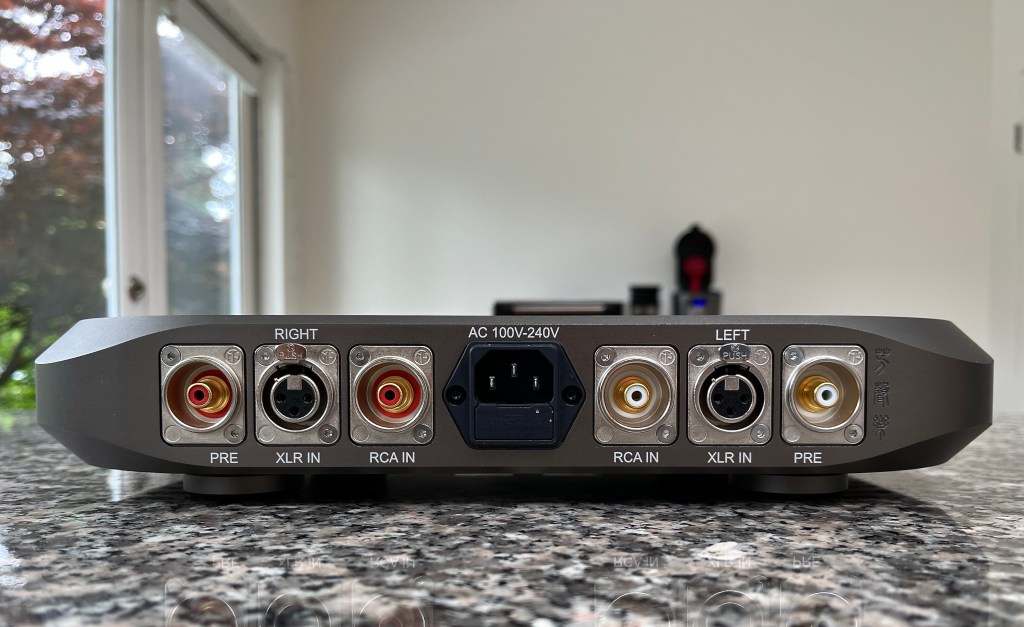
The Ariadne is a pure amp/preamp, with no DAC section. It utilizes a universal voltage SMPS, so the Ariadne will work across all markets. In terms of power output, the Ariadne does 20W into 32ohms, 32VRMS max with 90VPP, with low, medium, and high gain settings. On the front of the unit, you have a power switch, a big volume control knob (back lit with a gentle yellow/orange light when switched on), and a gain switch. In terms of output connector options, there is the standard 4-pin XLR, 4.4mm Pentaconn, 3.5mm, and 1/4” TRS. On the rear of the unit, you have both XLR and RCA inputs, as well as a pair of RCA outputs for preamplifier connectivity. I believe the idea is that if you prefer to use XLRs with the unit as a preamp, you would run the gain setting on low, and use a 4-pin XLR to a dual 3-pin XLR adapter, vs having extra XLR outputs on the rear of the unit. However, if you prefer XLR with no RCA option, I believe the amp can be customized to only feature XLR outputs on the rear by dropping the RCA option. The chassis of the Ariadne comes in the form of a grey/brown finish, CNC’d from a single block of aluminum. It is heavy, feels well-built, and inspires confidence in terms of the longevity of the amp.
I’ll speak about the overall sonics of the amp, then get into some specific combinations I’ve tried and how they all fared later in the review.
Bass
The low end of the Ariadne is impressive in terms of control and speed, but it’s not a bass-heavy amp. Overall, the level is what I would say is very neutral, and typical of a good solid-state amplifier. There really isn’t any added amplitude in terms of low end that you might get with some tube amps or warmer solid state options. Simply clean, clear, and precise bass performance with good extension into the low sub bass. With that being said, it does not sound lean. I’ve had a few amps over the years that absolutely were leaner in the bass region, but the Ariadne doesn’t go that far in terms of its tuning. I’m curious how the Dionysus compares to the Ariadne in this area, being their flagship amp, if it’s similar or a bit more powerful-sounding. My Boulder 1161 hits harder, has a more powerful sound, and more bass amplitude (especially with harder to drive headphones,) but the Ariadne does really well for its price range. Also, some people actually prefer less of the harder-hitting, powerful sound, preferring a more delicate and deft sound signature, which the Ariadne does very well.
Midrange
The mid range of the Ariadne is actually my favourite part of their overall tuning. As mentioned, some of the more measurement-focused options coming out of the “Chi-fi” scene are a bit cold, sterile, and lifeless-sounding. The Ariadne has avoided that to my ears. It’s far from being warm, syrupy, and “tubey” sounding (although tube amps can absolutely be cold and sterile, I’m simply speaking of the general perception of “tubes”), but there is a very small amount of pleasant harmonics coming through in the mid range in its entirety, not just the lower mids. It’s not a very large lift in terms of perceived mid-range level; however, it’s just a very slight overall sense of warmth through the entire mid-range that makes things come across as being alive. In terms of mid range level, through the entire mid band, the Ariadne is mostly neutral, with perhaps a slight perceived emphasis in the upper mid range, but it’s very, very slight in terms of increase in this area.
Treble
Again, the Ariadne continues the general theme of its tuning into and across the treble region. Clean, clear, and precise, whilst being mostly neutral and not overemphasizing any particular section. Thankfully, I didn’t find Ariadne’s treble to be overblown, increased, or sharp in any of my testing. It simply presented the treble in a way that was easy to listen to and honest to what it was being fed. The treble region definitely wasn’t recessed in any way, shape, or form, and this isn’t a dark amp. If you are treble sensitive and looking for an amp that might tame a brighter source component, I wouldn’t recommend the Ariadne in that instance. Also, if you are looking for a really treble-forward amp to pair with a darker source or darker headphones, I would also recommend something other than the Ariadne. The treble, and actually the entirety of Ariadne’s tuning, is best used as more of an all-around sort of amp. It can cover a lot of bases, different headphone types and tunings, and perform well across the vast majority of them.
Technical Performance
I think the first thing I need to mention in this area is that the Ariadne can drive pretty much anything you throw at it. I did a bunch of testing with the original Hifiman Susvara, and the Ariadne didn’t run out of steam, even with an EQ increase to the low end and subsequent negative gain reduction. The only headphone I can really think of that might start to run into its limits would be the ModHouse Tungsten (or the Lily audio Genesis one, but they haven’t been released fully yet, whilst also being a real outlier in terms of amplifier needs) and at 32V max output, it would probably even manage those also. Of course, the Dionysus has double the output power of the Ariadne, so if you want more capability in this area, it’s certainly available, but the Dionysus also costs $4200USD. I think if the only headphones you are going to be using are extremely hard to drive, then it might be worth considering, but if you have a more varied collection with both very easy to drive options and some harder to drive options, the Ariadne is still a great choice. It allows you to go from easy-to-drive IEMs in low gain with no hiss, to high gain and rocking out with the original Susvara at 83dB/mW at high volume with no issues.
In terms of detail, the clean, clear, and precise nature of Ariadne’s tuning really lends itself to a strong performance in this area. At the $1850USD price range, it’s very much a strong performer in terms of overall detail levels. From sensitive IEMs to the Susvara and 1266TC, I never really found myself wanting in terms of micro detail, being able to hear all the little things in the recordings I was listening to. In terms of Ariadne’s dynamic performance, again in the price range, it does a solid job, but I have heard both slightly more refined amps that have a bit more nuance and a very deft touch, and I’ve also heard amps with more thrust and dynamic impact, particularly in the low end.
Overall, the technical performance of the Ariadne is very good, and totally in line with its $1850USD MSRP.
Build Quality
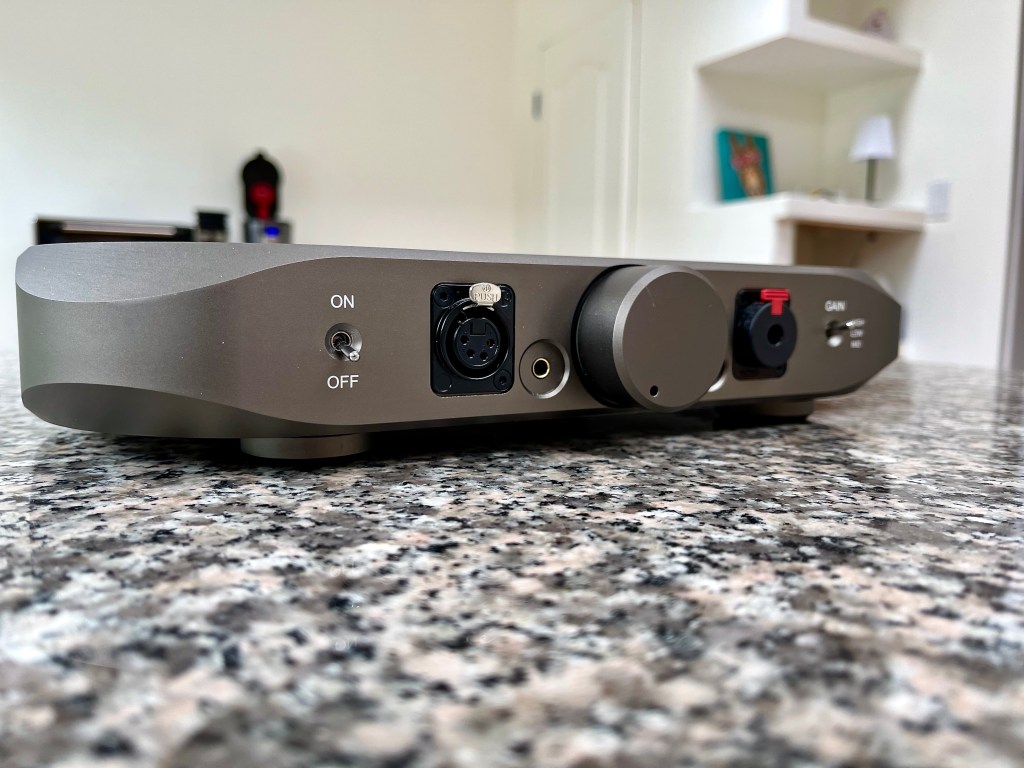
From what I can tell, the build quality of the Ariadne is great. Its chassis is CNC’d from a single block of aluminum. It has a real weighty feeling to it, and all of the connectors are high quality and feel solid when you are using them. It’s really a simple build overall due to being milled from a single piece of aluminum, and there aren’t that many moving parts to fail. I have seen internal pictures of the Dionysus, and I’m assuming the Ariadne is similar but less complicated inside. That internal build quality looks excellent but do keep in mind I’m going from those photos and not direct experience of opening up the Ariadne. Of course, only time and lots of use can tell how an amp will hold up over the years, and I’ve only had the Ariadne here for a month, but from the aspects that I can see and use, the build quality here is great.
Pairings
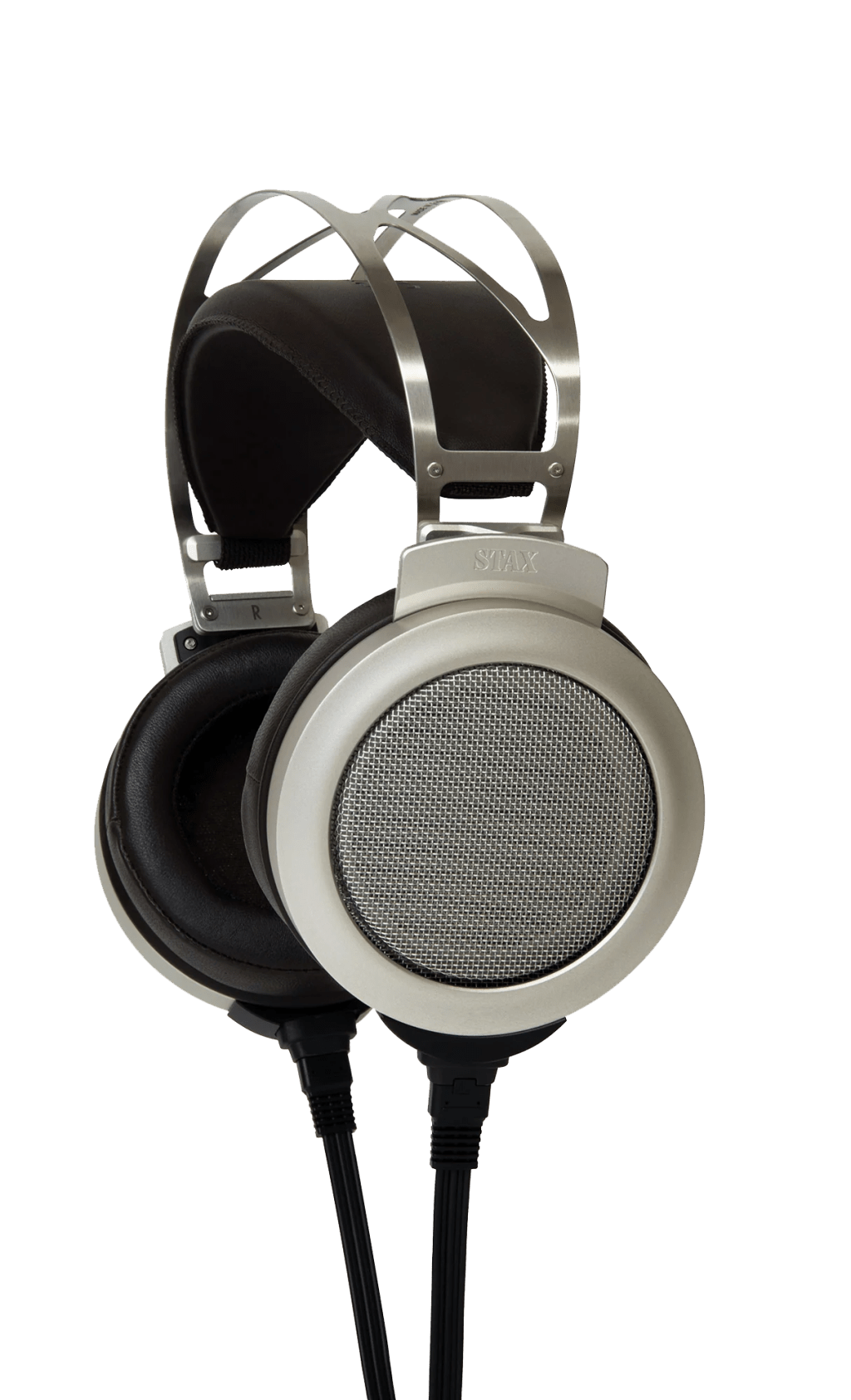
Hifiman Susvara (original): The Hifiman Susvara has become a legendary flagship over the years, notoriously hard to drive but worth it for the results when driven well. This was actually the primary headphone I used for testing the Ariadne to really stress test it. I never ran out of power or gain, and the Ariadne was unflappable. It doesn’t hit as hard or perform with as much dynamism as my Boulder 1161, but that’s hardly a fair comparison to make. I also don’t think it’s a sign of the Susvara being under-driven in this case, more so being the amp’s specific sound signature, as that sound signature with the Susvara carried over to my other headphones, regardless of how difficult they were to drive. Overall, the Ariadne works very well with the Susvara.
Abyss AB1266TC: Another good pairing. The slight warmth and sense of harmonic richness through the mid range worked well with the 1266, and again, there were no issues driving them in terms of power output. Another good pairing.
T+A Solitaire P: I also did a lot of testing with the T+A Solitaire P during the review period with the Ariadne, in an effort to try it out with a much easier-to-drive pair of headphones. I switched down to low gain for this pairing and had no issues at all. Again, it drove the headphones very well, and showed that the Ariadne can manage both extremes, from really easy to drive to very hard to drive headphones.
Conclusion
Overall, I’ve really enjoyed my time with the FangSound Ariadne. I think it’s a meaningful addition to the amplifier market landscape. It deviates from the more well-known measurement-focused “Chi-fi” options somewhat, in both build quality and sound tuning goals. I’ve been impressed over the entire review period with how it has managed to drive all different sorts of headphones, even things like the Hifiman Susvara, very well. I can see someone looking to buy their first “good” amp without going to crazy, flagship levels, and being really happy with this amplifier. It’s a mostly neutral tuning, with good technical performance, and it works very well with a wide variety of headphone options, and even IEMs. The build quality is solid and feels like it is built to last. I think the only thing I’d really like to see would be a flat black finish option in addition to the grey/brown stock option, as I think that might look even better (I’m also simply partial to black gear.)
The pricing of the Ariadne at $1850USD seems fair for the build quality and performance on offer. I hope to have a chance to hear the Fangsound Dionysus someday, as I’m curious what the more all-out version of the Ariadne might sound like, as well as the Silenos, as a small transportable DAC/Amp version of the Ariadne also seems really compelling. Time will tell on both of those 🙂
Great job, FangSound!


Leave a Reply